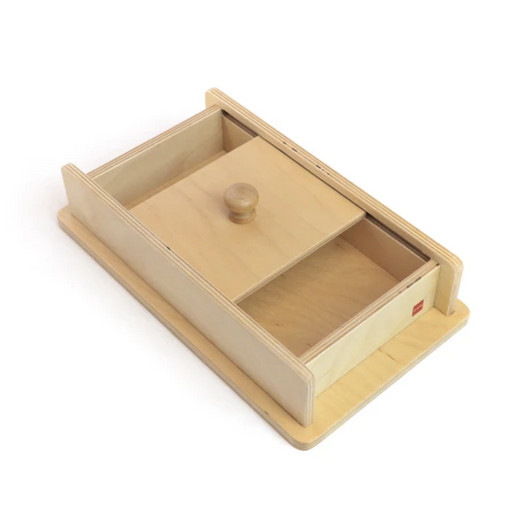
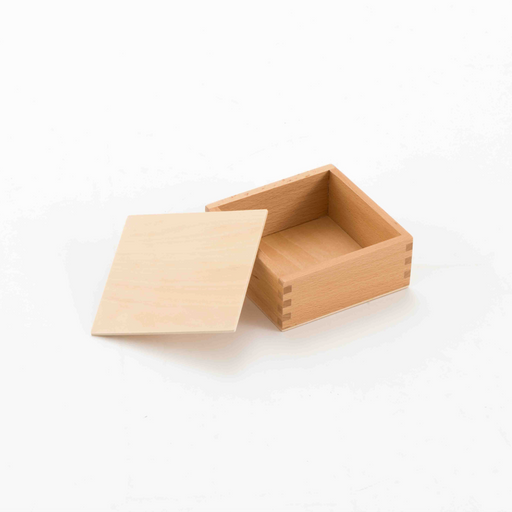
Play can spread from the bedroom to the living room in a few minutes. Cars gather beside a pretend road, figures join a story and the next activity brings out another set of pieces. A toy box offers somewhere to gather those toys when the floor is needed again, with a familiar home for the next day's play.
At My Playroom, we see storage as part of the play space. Giving toys a clear place to return can make it easier to find a favourite activity again. Our collection includes lidded toy storage for keeping play pieces together, and the ideas below help you choose a box around your toys, your room and your family's routine.
How can a toy box help organise family spaces?
A toy box brings toys into one defined space when play is finished. In a bedroom, it can give a much-used collection a home beside the play area. In a shared living room, enclosed storage can help the room move from floor play to family time without every piece remaining on display.
Different toys bring different storage needs. Blocks need room for loose pieces, vehicles need space for their shapes, and soft toys can take up more room than their weight suggests. These are useful starting points for deciding what you want a box to hold. A smaller box can also keep one complete game or collection together within a wider storage setup.
A regular home for familiar pieces makes the next play session easier to start. Keeping a game together means its pieces are ready for another round; gathering a favourite collection gives children a clear place to look when they want it again.
Which size suits your toys and your room?
The right size gives the intended toys enough usable space and fits comfortably in the place you have chosen. A kids toy box for a selected set of figures needs a different amount of room from storage for a growing collection of larger toys. The longest or tallest piece can be a more useful starting point than the number of items.
Outside dimensions help you plan the position; internal space determines what goes inside. When a box sits on a shelf, room to open the lid or bring the box out matters too. On the floor, space around it lets you open it and take toys out without blocking a doorway or the main play area.
A little spare capacity can accommodate new pieces. More depth, however, can mean searching underneath other toys to find a small favourite. A manageable group that is easy to retrieve may be more useful day to day than a box filled to its limit. The opening, lid design and intended user all matter alongside capacity.
How can you make everyday pack-up more straightforward?
Give each box a clear job, such as holding a vehicle collection, a game or the pieces for one kind of pretend play. A toy storage box is easier to use when the contents belong together and there is a regular place to return it.
A simple picture or word label can show what's inside a closed box. For toys with several small accessories, a separate pouch or smaller container can keep those pieces together within the available space. This also lets you take out the part of the collection you want without emptying everything.
Everyday favourites are useful to keep near where they are played with. Toys brought out less often can stay in another position, leaving the regular play area easier to navigate. A figure storage box, for example, can keep the characters for a familiar story together while its scenery has a separate home. Returning the pieces can become part of finishing that activity, with adult help where needed.
What matters for appearance, materials and care?
A toy box needs to suit the room as well as its contents. In a shared space, colour, finish and proportions can help it sit comfortably alongside the furniture already there. In a child's room, a recognisable place or label may be more useful than matching every storage piece.
Look at material and finish alongside the details that affect everyday use: the opening, the way the lid moves and the space needed around the box. A box kept in one place has a different role from one you regularly move between a shelf and the floor. These practical details help you choose storage that fits the way your family plays.
For day-to-day care, toys can be stored clean and dry, with the box emptied occasionally to remove loose bits and dust. The appropriate cleaning method depends on the box's material and finish. Keeping wet bath toys and damp craft materials separate from dry play sets helps avoid putting moisture inside a closed container.
How do toy boxes fit alongside baskets and shelves?
A lidded toy box suits a collection you want to keep enclosed between activities. An open toy basket offers visible access to materials that come in and out throughout the day. A box and a basket can work side by side, each holding the toys best suited to that format.
For an activity you want to leave ready to choose, an open Montessori shelf provides a place to display it. Boxes can hold other pieces between uses. With both open and closed playroom storage, you can leave one activity ready and pack other pieces away.
Browse our toy boxes for a useful addition to your child's room or play space. Visit our Canterbury and Chadstone stores in Melbourne, or shop online with Australia-wide shipping.